Panels··5 min read
HT vs LT panels: what’s the difference?
High-tension and low-tension panels sit at different points in your power chain. Understanding both helps you plan capacity, safety and maintenance.
If your facility takes supply at high voltage, power passes through two very different kinds of switchgear on its way to your equipment. Knowing what each one does makes it easier to plan upgrades, budget for maintenance and talk to your contractor.
HT panels: the front door
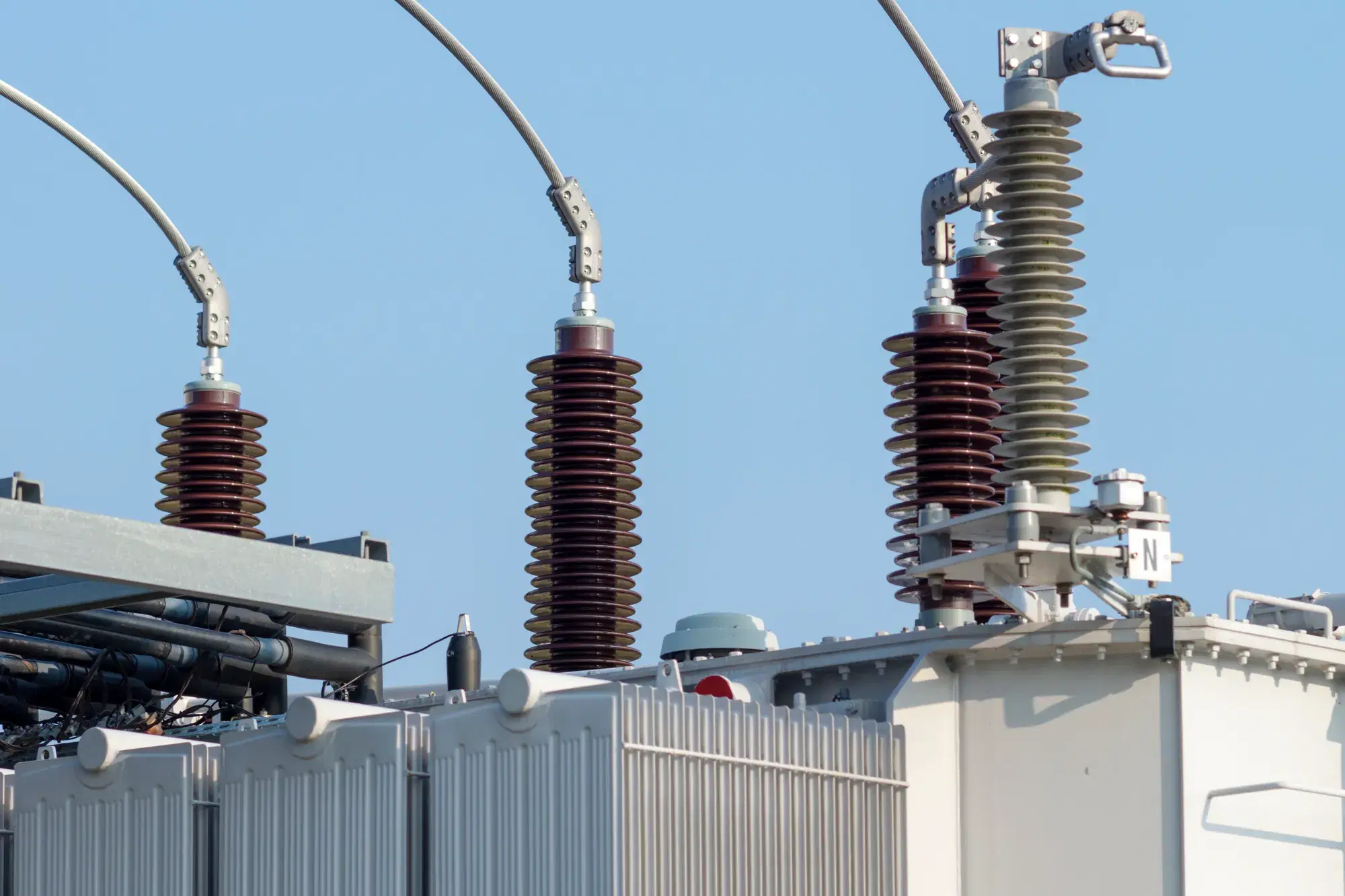
High-tension (HT) panels handle the incoming supply from the utility at high voltage. Their job is protection and isolation: breakers and relays that detect faults and disconnect quickly, along with metering for the incoming feed. They sit upstream of your transformer.
LT panels: distribution inside
After the transformer steps voltage down, low-tension (LT) panels distribute power across your building — to lighting, HVAC, machines and sub-distribution boards. They carry more circuits, each with its own protection and, often, metering.
Why the distinction matters
- Design: each needs protection coordinated with the other so faults are cleared at the right point.
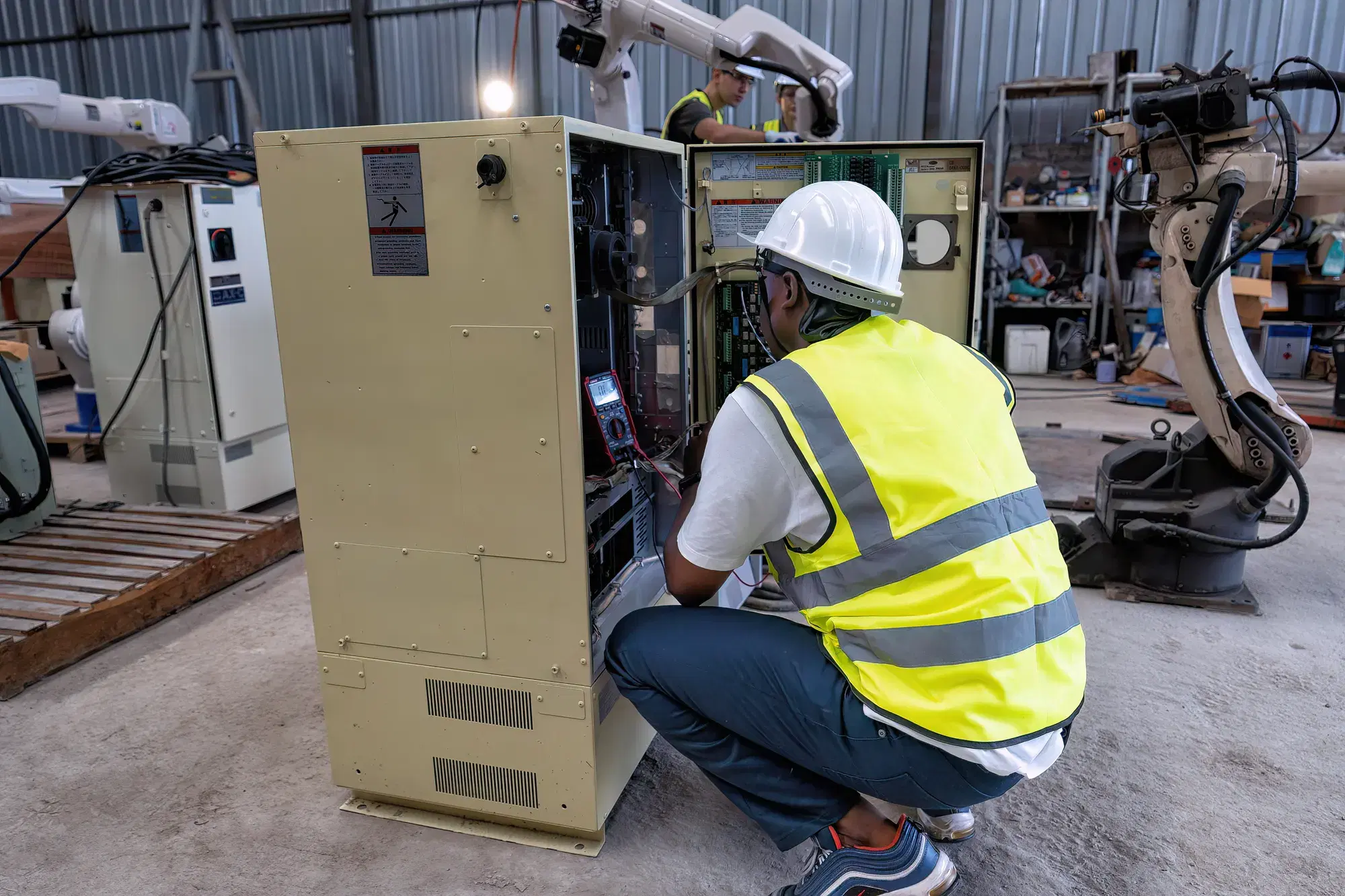
- Safety: HT work demands specialised authorisation, procedures and equipment.
- Maintenance: both benefit from scheduled inspection, thermal checks and testing.
Our team designs, installs and maintains both HT and LT panels. If you’re adding load or planning a new site, we can help you get the scheme right from the start.