Transformers··4 min read
Five signs your transformer oil needs attention
Transformer oil does two jobs — insulating and cooling. When it degrades, both suffer. Here’s what to watch for, and what filtration actually does.
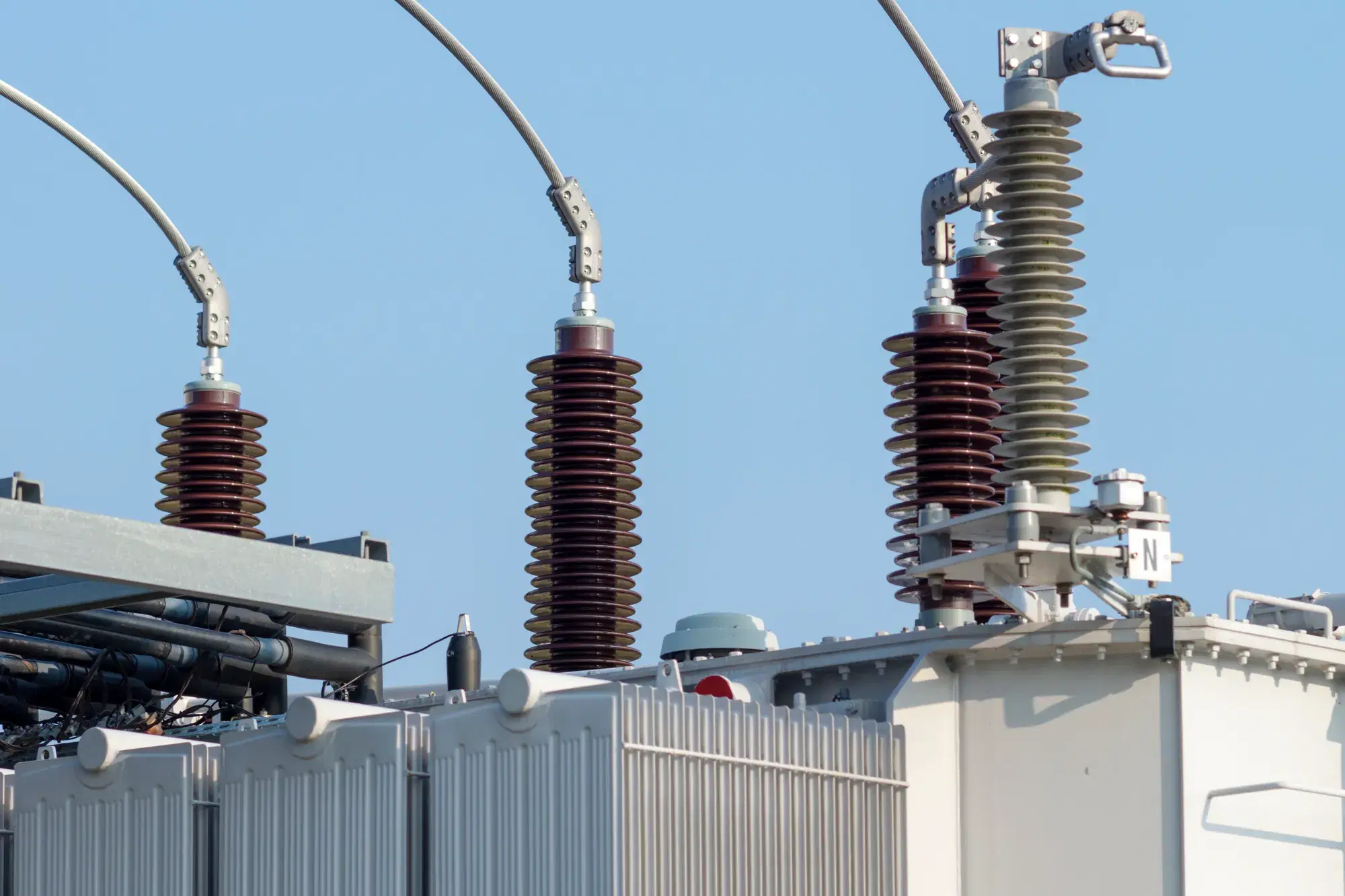
Inside every oil-filled transformer, the oil is doing two critical jobs at once: it insulates live parts from each other and it carries heat away from the windings. Over time, moisture, dissolved gases and fine particles creep in. The oil’s dielectric strength falls, the paper insulation it protects ages faster, and the risk of a failure rises.
What to watch for
- Falling breakdown voltage (BDV) results in routine oil tests.
- Visible darkening or cloudiness of the oil in the sight glass or sample.
- Silica gel in the breather turning colour quickly, indicating moisture ingress.
- The transformer running hotter than usual at the same load.
- A long gap since the last oil test or filtration cycle.
What filtration and dehydration do
Filtration passes the oil through a dedicated plant that heats it under vacuum and filters it, removing moisture, gases and particulate contamination. Done properly, it restores the oil’s dielectric strength and slows the ageing of the solid insulation inside the tank.
Because conditions vary widely between sites, the right interval depends on your transformer’s age, loading and environment. Regular BDV testing is the simplest way to know when it’s time.
The bottom line
Oil care is one of the most cost-effective ways to extend a transformer’s life. If you haven’t tested yours recently, a quick sample is a good place to start — talk to us about scheduling one.